Before getting into flight prices, a quick personal update—and a thank-you for your patience if the deals felt a little slower this fall.
I spent the season as head coach of Forest Hills Central Middle School’s seventh-grade football team. We finished 3–3, were competitive in almost every game, and were just four points away from finishing 5–1. But what excited me most wasn’t the record.

We had 43 kids come out. We used separate offensive and defensive starters to spread opportunities around and worked to get every player a few snaps each half through position rotations and special teams.
Seventh-grade football is a unique experience. Some kids look like they need to shave; others are nowhere close. The differences in size and development are enormous. We grouped kids by weight for tackling, and our smaller group adopted “Short kings on three!” as its breakdown cheer. That still makes me laugh.
Our biggest priorities were keeping it fun, helping everyone contribute, and giving kids a reason to come back. There’s real value in being part of a team: time with friends, working through challenges, and learning that you have something to offer even when you aren’t the standout player.
I got to coach my boys, know their friends better, and work alongside a great group of assistant coaches. This chapter of life is short, and I’m grateful I got to spend part of it on that field.

With the season wrapped up, I’m putting more time into finding flight deals and expanding coverage. I also reviewed the recent earnings calls from American, Delta, and United—and their message deserves some attention.
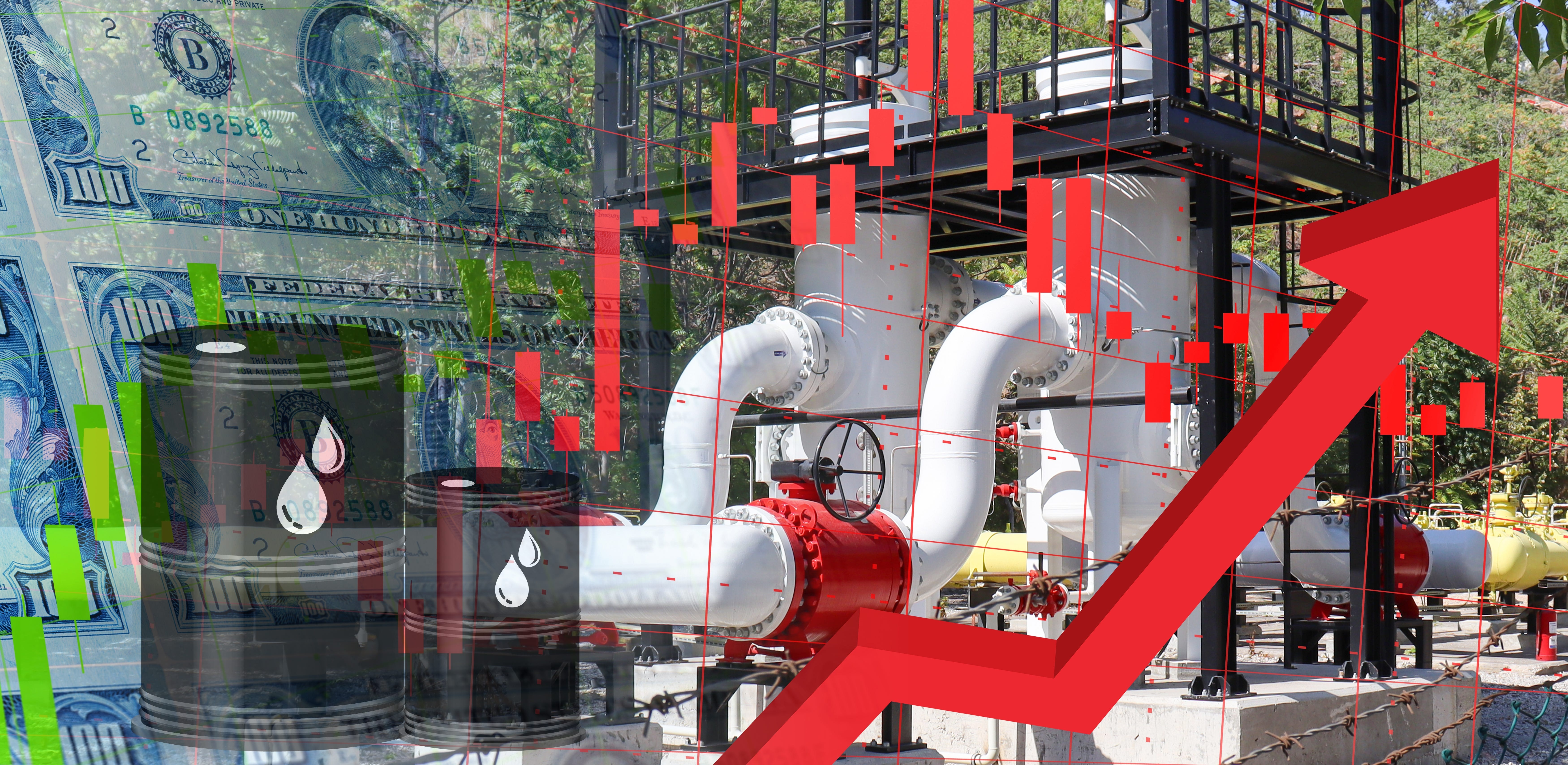
Fuel costs are climbing. What does that mean for us?
A few numbers stood out:
American paid approximately 62% more per gallon for fuel in the third quarter than a year earlier.
Delta’s adjusted fuel price rose 60% year over year.
United spent approximately $1.8 billion more on fuel in the quarter. It recovered about 72% of that increase through higher revenue and expects to recover the rest over time—with a lag.
That lag matters. Airlines sell tickets months before passengers board. When fuel jumps after those tickets are sold, the pressure shows up in future pricing and decisions about where—and how often—to fly.
Fuel is only part of an airline’s costs, so a 60% fuel increase doesn’t mean tickets need to rise 60%. But it helps explain what we’re seeing.
Our tracked fares are higher, too
I reviewed historical pricing from before the Iran conflict began in late February and compared it with prices afterward.
Across the destinations we track, the typical increase in average fares was approximately 24% this September and October compared with January and February. Compared with the same fall period last year, the increase was approximately 28%.
These figures reflect our tracked fares, rather than every ticket sold, but the increases were widespread.
A 24% increase turns a $400 ticket into roughly $496. For a family of five, that’s another $480 before the vacation even begins.
You benefit from competition—even on airlines you never fly
Spirit stopped operating in May. Maybe you never flew Spirit. Maybe you couldn’t stand its fees. But having another airline competing for your business gave the larger carriers a reason to offer competitive fares.
Detroit’s Iceland service is another example.
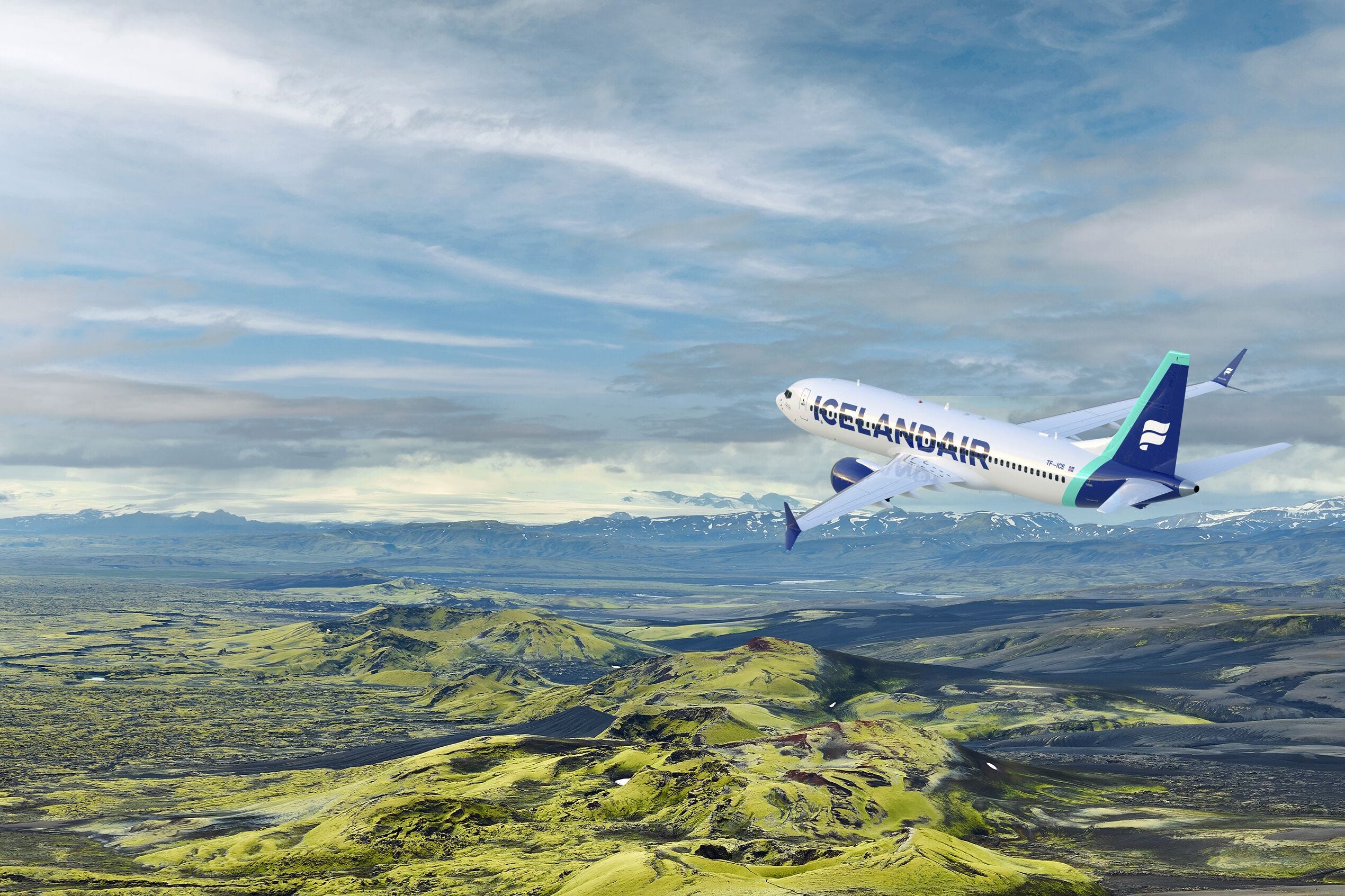
When Icelandair entered Detroit, it brought affordable flights to Iceland that I loved sharing with you. Just as importantly, it offered connections throughout Europe—another way to get overseas without relying on Delta or another carriers network.
Delta added its own Detroit–Iceland service. Travelers had two airlines competing on the nonstop route, with Icelandair also providing another connecting option for European trips.
Icelandair subsequently withdrew. Delta has since dropped the Detroit route for 2027. What had been two competing nonstop options is disappearing from Detroit’s lineup.
We can’t know each airline’s internal reasoning. But we can see what travelers lose: choice, convenience, and competition.
Higher prices are only part of the concern
Higher fuel costs are hurting airlines. They’re looking to recover that money through higher fares, more revenue per seat, and greater emphasis on routes that deliver stronger returns. Some flights may become less frequent. Others may disappear.
My concern is what happens if financially vulnerable airlines can’t withstand that pressure. Losing a competitor can affect prices long after the immediate fuel spike passes. Even if fuel comes down, replacing an airline and rebuilding its network takes a long time.
That’s why I’m rooting for Frontier, Allegiant, JetBlue, and other lower-fare options to remain strong competitors—whether you personally fly them or not.
For Great Lakes Travel Deals, this could mean fewer standout fares to share at a time when finding value matters even more. A good deal might cost more than it did a year ago, but the savings can still make the difference between taking a trip and staying home.
I’ll keep searching across airports, airlines, and dates to help you make the most of your travel budget. And I’ll keep rooting for competition—because more choices help keep travel within reach for all of us.